
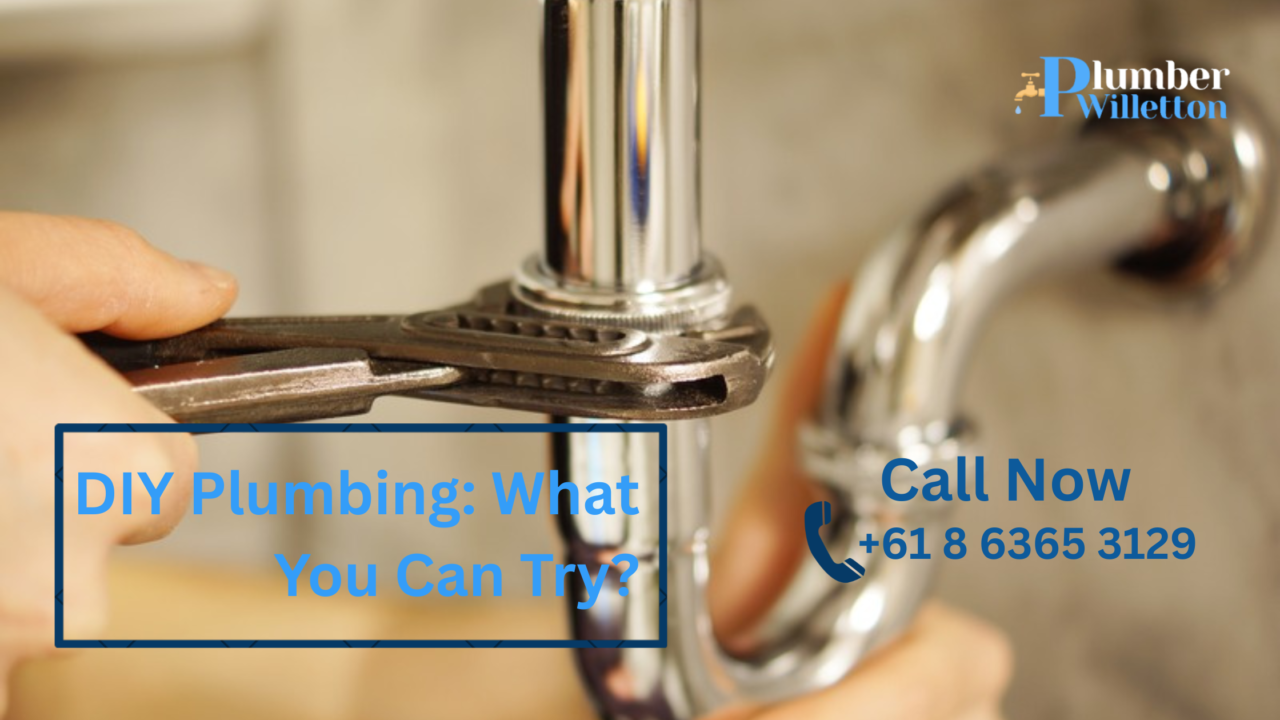
DIY plumbing can feel like a quick and cost-saving solution, especially for small household issues. With online videos and basic tools easily available, many homeowners try fixing minor plumbing problems on their own. Simple tasks can often be handled safely, but not all plumbing jobs are suitable for DIY.
Some mistakes can lead to water damage, safety risks, or higher repair costs later. Knowing your limits is important. When problems go beyond basic fixes, searching for plumbers near me or a local plumber near me is the smartest way to protect your home.
What DIY Plumbing Jobs Can You Safely Try?
Certain plumbing tasks are low-risk and can usually be done safely without professional help. These jobs involve visible fixtures and do not require altering pipes inside walls.
- Fixing a dripping tap: Replacing a worn washer or tightening loose parts can stop water waste and annoying noise.
- Replacing a showerhead: This is a simple upgrade that only requires basic tools and thread tape.
- Clearing minor sink or shower clogs: Hair and soap buildup can often be removed using a plunger or drain cleaner.
- Tightening loose fittings: Slight leaks around taps or connectors can often be fixed by gently tightening them.
- Replacing tap washers or cartridges: A common DIY job that can improve water flow and stop leaks.
These tasks are generally safe because they don’t involve major pipework or pressure changes. Always turn off the water supply before starting, and work slowly. If the issue doesn’t improve or worsens, stop immediately and contact plumbers near me professionals to avoid causing damage.
Which DIY Plumbing Jobs You Should Avoid?
Some plumbing jobs are dangerous or complex and should never be attempted without professional training. These tasks can cause serious damage or safety hazards if done incorrectly.
- Gas line repairs: Gas plumbing is extremely dangerous and must only be handled by licensed professionals.
- Burst pipes inside walls: These can cause flooding and structural damage if not repaired properly.
- Sewer line blockages: Sewage issues pose serious health risks and require specialist equipment.
- Installing new plumbing systems: Incorrect installation can lead to leaks, low pressure, and legal issues.
- Water heater repairs: These involve pressure, electricity, or gas and can be hazardous.
Trying to fix these problems yourself may void insurance and increase repair costs. If you notice flooding, gas smells, sewage backups, or ongoing leaks, stop DIY work and call a trusted local plumber near you immediately.
A Quick Overview |
|
|---|---|
| Plumbing Task | DIY Friendly or Not |
| Dripping tap | Yes |
| Replacing showerhead | Yes |
| Minor drain clog | Yes |
| Burst pipe | No |
| Gas-related repairs | No |
| Sewer blockage | No |
Signs You Should Stop DIY and Call a Plumber
Knowing when to stop DIY plumbing is just as important as knowing what you can safely fix. While small tasks can be manageable, ignoring warning signs can turn a simple issue into serious damage. Below are clear signs that it’s time to stop and call professional help.
- The leak keeps coming back
If you repair a leak and it returns after a short time, the problem is likely deeper than a loose fitting. Hidden pipe damage or worn connections may need professional tools and expertise. This is a strong sign to contact plumbers near me before the damage spreads. - Water pressure suddenly drops
A noticeable drop in pressure can indicate blocked pipes, internal leaks, or pipe corrosion. DIY fixes rarely solve this and may make the issue worse. A qualified local plumber near me can identify the real cause quickly. - You see water stains or damp patches
Wet walls, ceilings, or floors usually mean water is leaking behind surfaces. These hidden leaks can lead to mould and structural damage if ignored. - Strange noises in pipes
Banging, gurgling, or whistling sounds often point to pressure problems, trapped air, or failing pipes. These issues require professional assessment. - Multiple drains are blocked at once
When more than one drain is affected, it usually means a main sewer or drainage issue, not a simple clog. - You smell gas or sewage
Gas or sewer smells are serious safety risks. Stop immediately and contact plumbing near me for urgent help. - DIY repairs make the problem worse
If your attempt causes more leaks or damage, continuing DIY can be costly.
Conclusion
DIY plumbing can be helpful for small, visible fixes, but it has clear limits. Simple tasks can save time and money, while complex or risky jobs should always be left to professionals. Knowing when to stop protects your home from damage and keeps your family safe. When in doubt, reaching out to a reliable local plumber near me is always the smarter choice.
FAQs
Q1: Is DIY plumbing safe for beginners?
Yes, for small tasks like tap repairs, but not for major plumbing work.
Q2: Can DIY plumbing void my insurance?
Yes, incorrect repairs may affect insurance claims.
Q3: What tools do I need for basic DIY plumbing?
A wrench, plunger, screwdriver, and plumber’s tape are usually enough.
Q4: When should I call a plumber instead of DIY?
When there are leaks, gas smells, sewage issues, or recurring problems.
Q5: Are online plumbing tutorials reliable?
They help with basics, but professional advice is best for complex issues.
Q6: Why is my tap still leaking after I replaced the washer?
The valve seat inside the tap might be corroded or damaged. A professional can “reseat” the tap or replace the entire fixture to ensure a tight seal.
Q7: How can I tell if a pipe is about to burst?
Look for persistent damp smells, bulging walls, or a sudden, unexplained increase in your water bill. These signs suggest a pipe is failing.
Q8: Is it safe to use chemical drain cleaners frequently?
No, frequent use of harsh chemicals can corrode older metal pipes and damage plastic ones. Mechanical tools like a plunger are much safer for your plumbing.
Q9: What should I do if a pipe bursts right now?
Immediately find your main water shut-off valve and turn it clockwise to stop the flow. Then, call an emergency plumber to repair the damage.